


Using Beavers as Partners in Riparian Habitat Restoration in Las Cienegas National Conservation Area
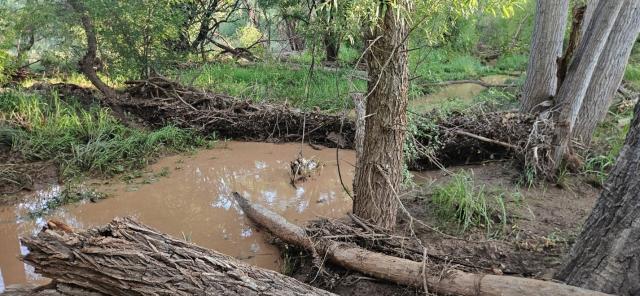
Historically, beavers occupied most rivers and streams throughout the American West, where their dams shaped waterways and created rich wetland habitats. Before trapping began, beavers were abundant across the region. But in the 1800s, heavy trapping nearly wiped them out, and by 1900 only a small fraction remained.
In the Gila River Basin, beavers were once so common that early visitors described the river lined with cottonwoods, willows, and extensive beaver ponds. These ponds trapped sediment, slowed water, and helped recharge groundwater. When beavers were removed and their ponds disappeared, the river changed dramatically. Without beaver dams to slow the flow, the hydrology of rivers and creeks shifted to straight, non‑meandering channels, leading to faster flow and more erosive banks with little connection to the floodplain, ultimately resulting in the loss of many wetland ecosystems.
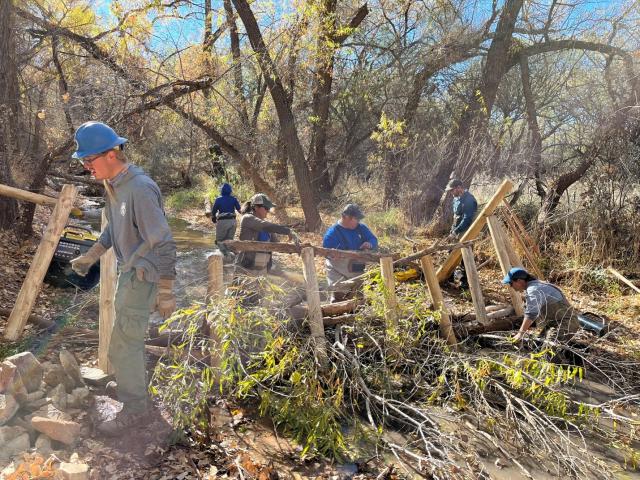
Across the West, restoration projects are increasingly recognizing beavers as valuable partners in building healthier watersheds. These natural engineers reshape rivers and creeks in ways that slow water flow, spread it across the floodplain, and recharge aquifers — benefits that are increasingly vital during extended drought. Alongside efforts to reestablish beaver populations, many projects are also using simple, low‑tech process-based structures in streams and wetlands that mimic the positive effects of beaver activity. Together, these approaches help restore habitat, support wildlife, improve water quality, and build resilience across entire ecosystems.
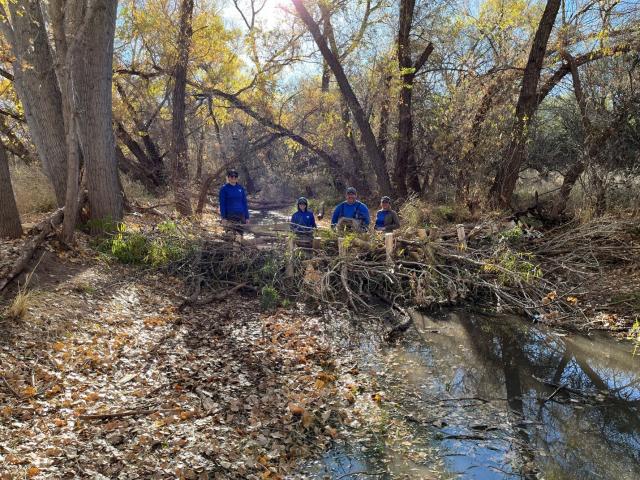
The Bureau of Land Management (BLM) and the Arizona Game and Fish Department (AZGFD) have partnered to reestablish a keystone species and restore natural stream channel function within the Las Cienegas National Conservation Area. As part of this effort, personnel from the BLM Tucson Field Office, AZGFD, and the Arizona Conservation Corps (AZCC) constructed three beaver dam analogs (BDAs) in Cienega Creek in December 2024. BDAs are instream structures built with natural materials such as wood posts, live or dead vegetation, rock, and mud. Designed to be semiporous and span the width of the channel, these structures mimic the form and function of natural beaver dams.
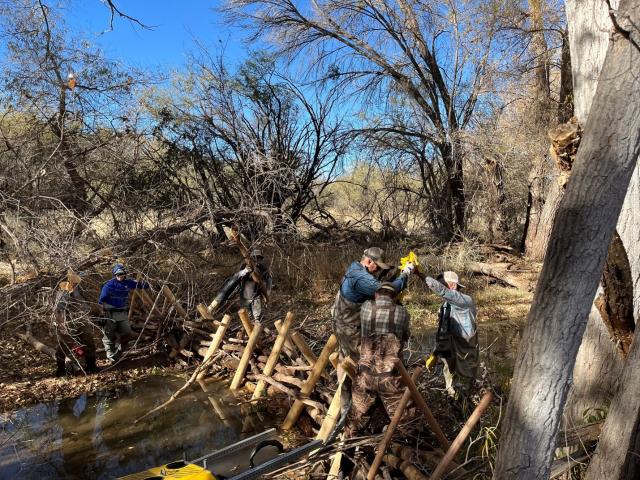
BLM and AZGFD strategically installed BDAs in down-cut sections of the creek where the channel has become disconnected from the floodplain, intended to encourage aggradation. the gradual buildup of sediment that can help raise the streambed and reconnect the creek with its floodplain. By mimicking the effects of natural beaver dams, BDAs can promote sediment accumulation, reduce stream incision, elevate water tables, increase habitat diversity, create pool-based water storage, and ultimately reconnect the channel with its floodplain.
The installation of these structures was an important step to beaver reintroduction into Cienega Creek. Once constructed, BDAs can serve as starter dams, encouraging beavers to settle in the area. If beavers adopt these structures, their ongoing maintenance activities can sustain and expand the ecological benefits. As ecosystem engineers, beavers play an essential role in supporting healthy riparian systems in the desert Southwest.
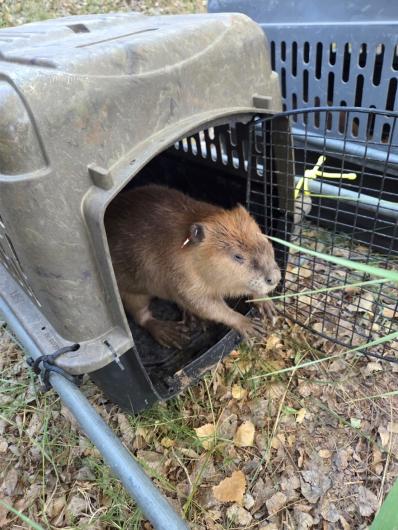
Beavers were reintroduced into the creek in fall 2025 by AZGFD, and future translocations will be based on subsequent assessments of population demographics. Prior to reintroduction, BLM and AZGFD conducted baseline monitoring to document habitat conditions. Monitoring now occurs annually and includes habitat assessments, species surveys, and more comprehensive vegetation monitoring every three years. Additionally, AZGFD monitors beaver activity weekly. This ongoing monitoring is vital for evaluating the success or identifying any challenges associated with this restoration project. Over time, the greatest measure of success may be a healthier, more resilient Cienega Creek where beavers once again help shape the landscape and sustain the riparian habitat around them.
Related Stories
- National Public Lands Day Paddles, Plants and Caves: BLM Connects Milwaukee Youth with the Outdoors
- Celebrating 30 Years of California Condor Recovery at Vermilion Cliffs National Monument
- Fossils, furs and a few sparks at Kemmerer Outdoor Discovery Day
- One Mile Closer
- Celebrating National Public Lands Day across the High Desert District in Wyoming
Office
3201 E. Universal Way
Tucson, AZ 85756
United States